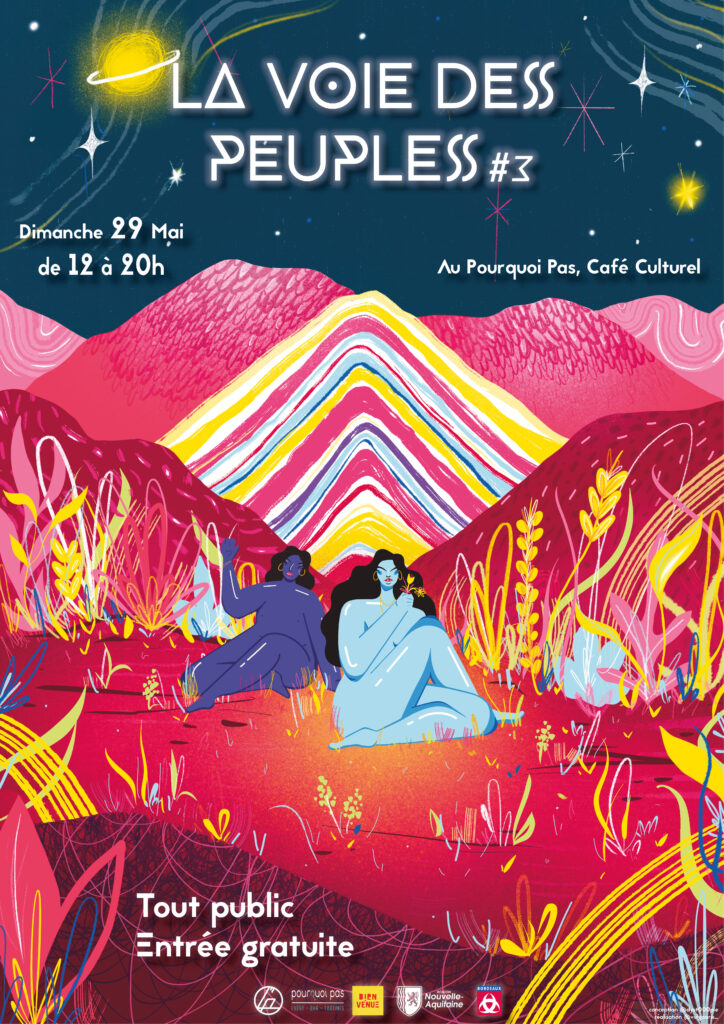
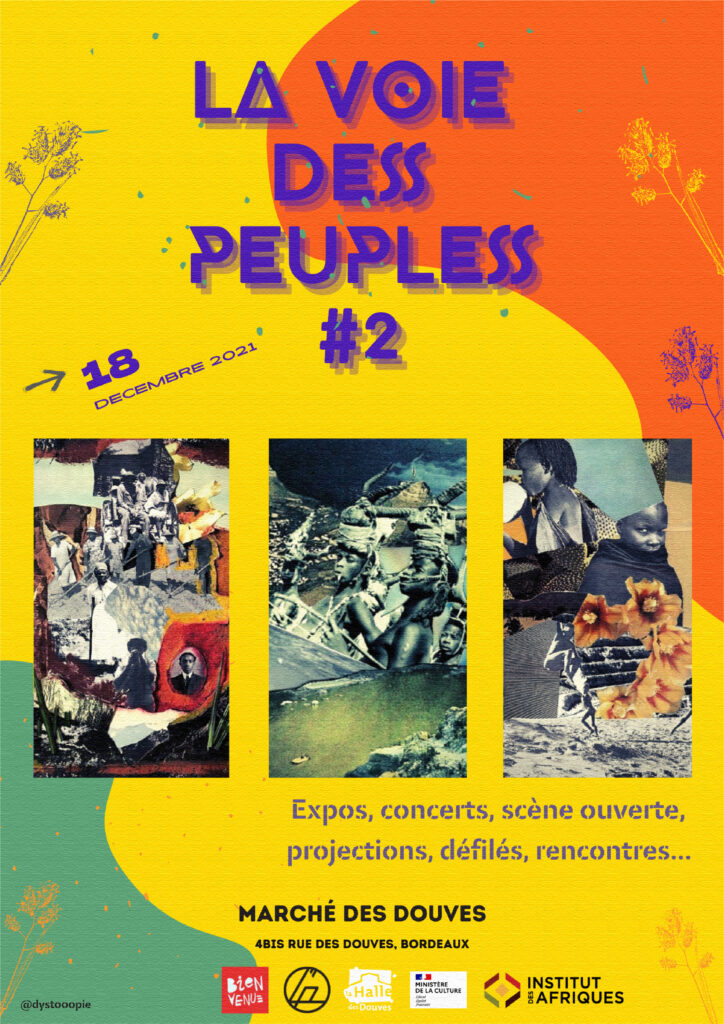
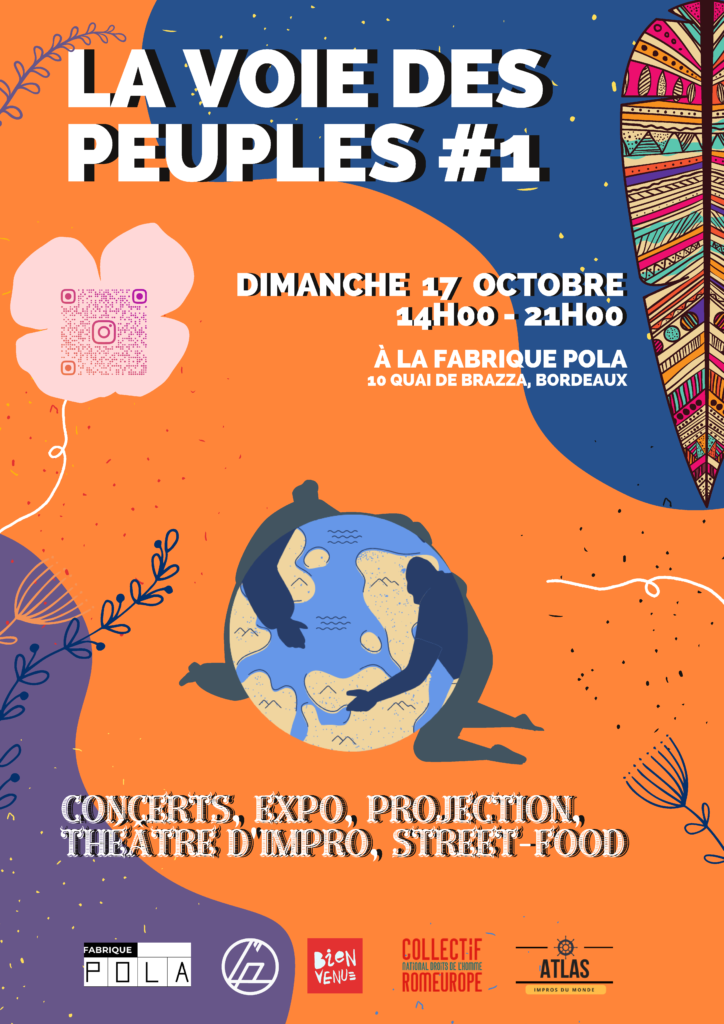
A space for meeting and celebration
La Voie des Peuples is much more than a festival: it's an invitation to discovery, encounter, and sharing. Coordinated by Pangée, this event celebrates, each year, a people or group of cultures present in the Nouvelle-Aquitaine region. Through a rich and multidisciplinary program – concerts, exhibitions, performances, screenings, workshops, discussions, a community village, crafts, and convivial gatherings – we create spaces where differences become an asset and where everyone feels welcome.
A festival designed with and for the locals
Our commitment is to showcase the cultures already present in Nouvelle-Aquitaine. We don't bring in artists from the other side of the world; we co-create the festival with residents, associations, and local organizations that uphold these cultural heritages. La Voie des Peuples is a collective experience, a time when people from diverse backgrounds come together to forge connections, share knowledge, and build a more open and inclusive world.
An event in motion
Just like the people it celebrates, the festival is nomadic Each edition takes place in new venues to reach an ever-wider and more diverse audience. La Voie des Peuples sees itself as a laboratory for living together, where music, art, and spoken word become tools for dialogue and empowerment.
The 10th Voie des Peuples – An Anniversary Edition
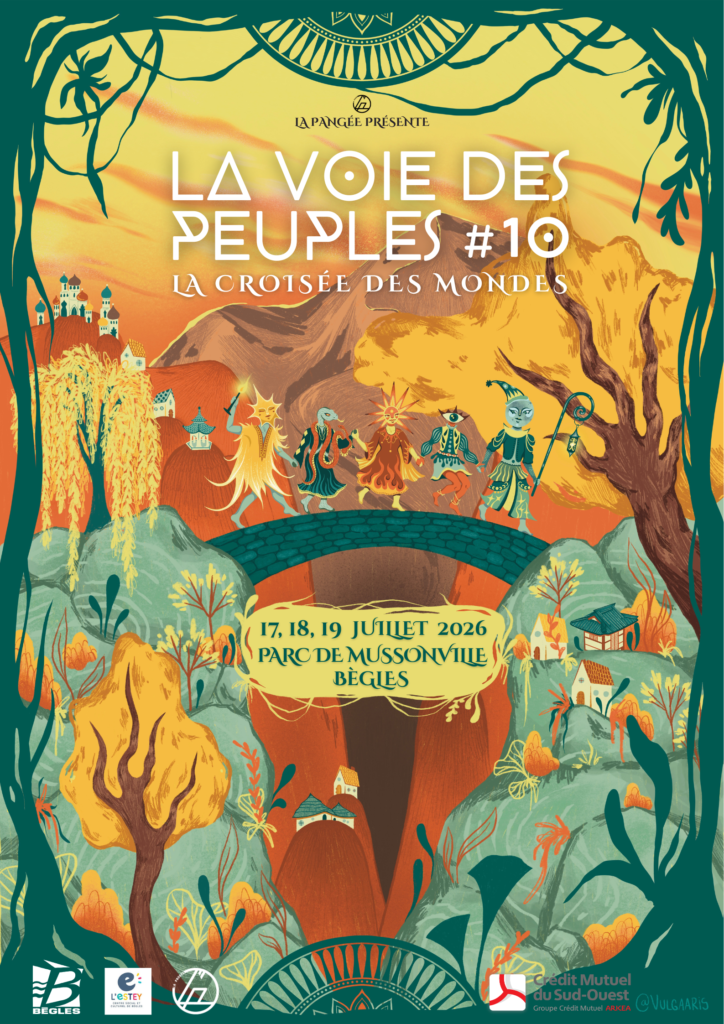
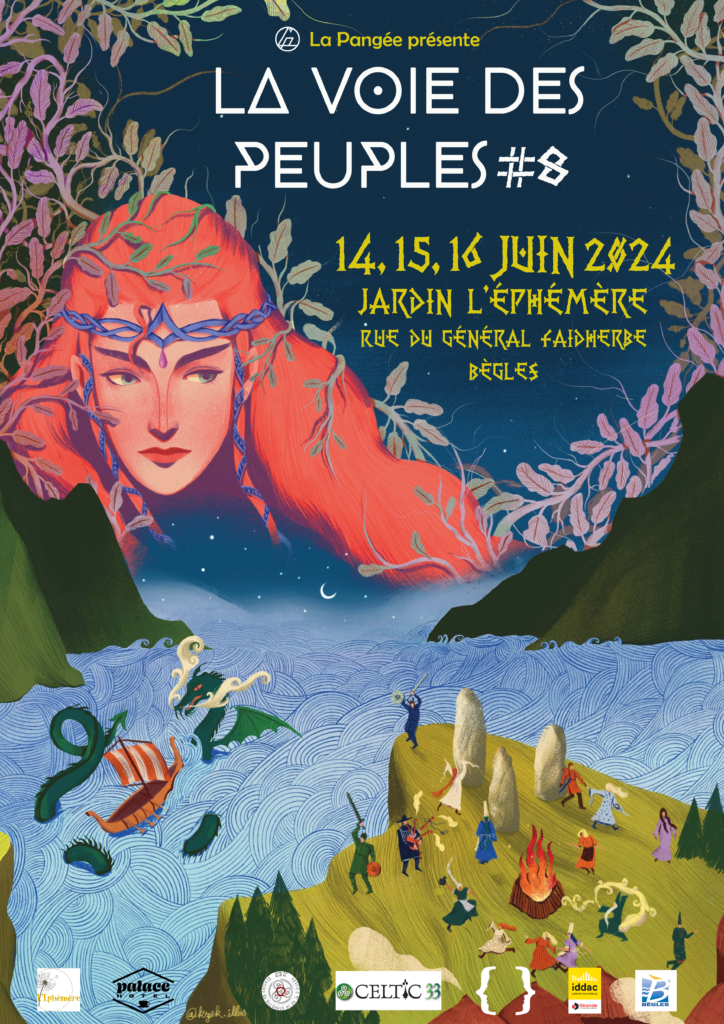
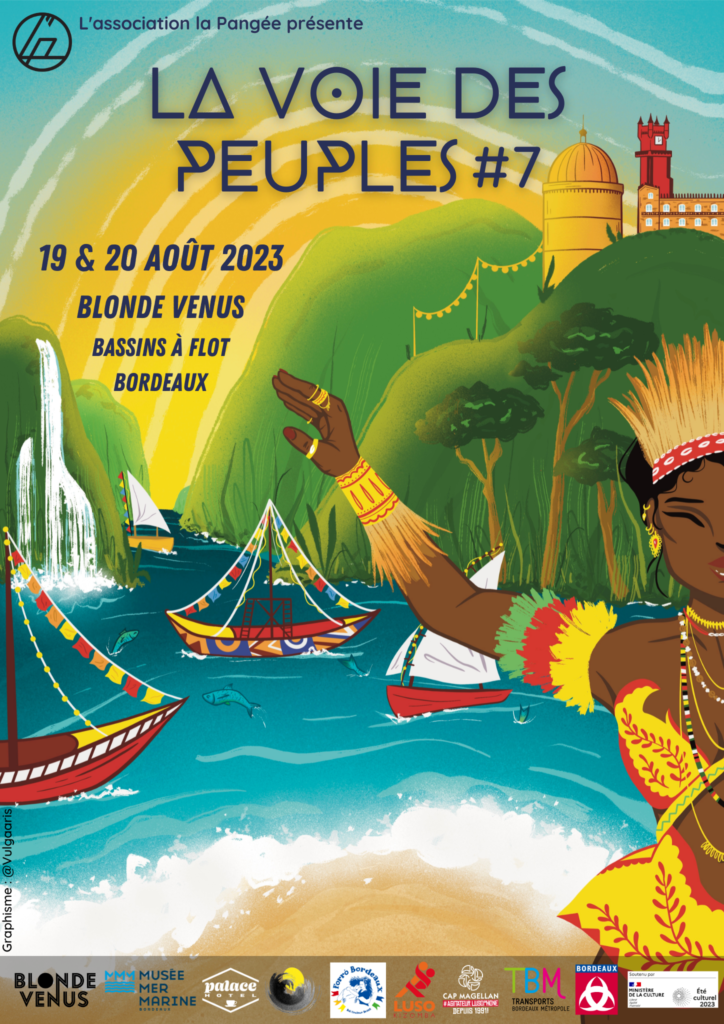
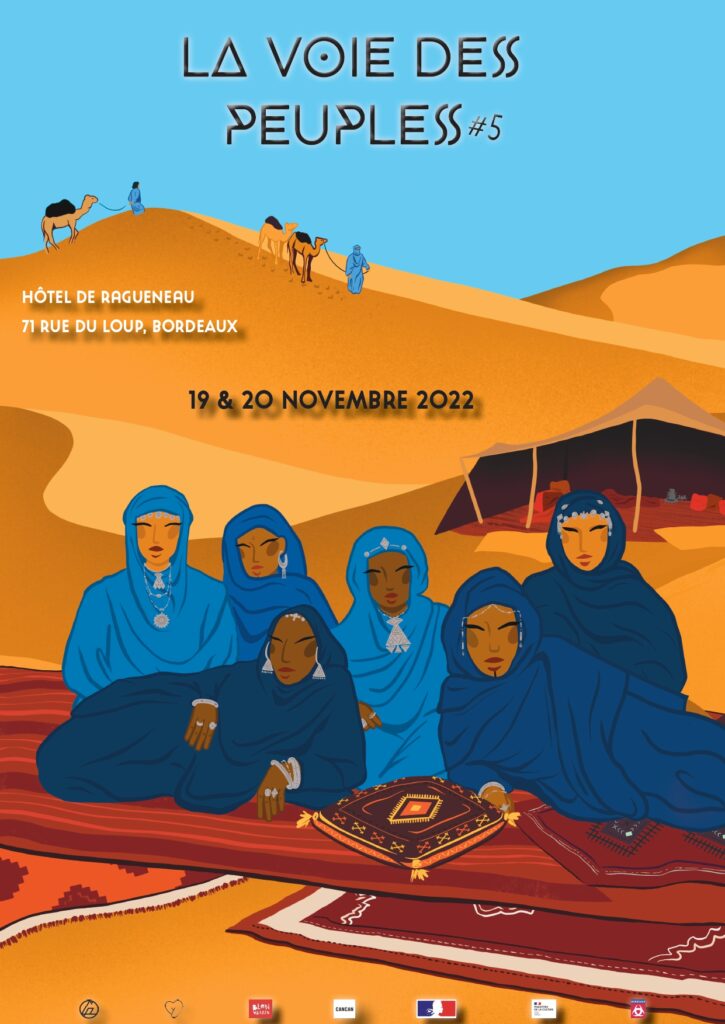
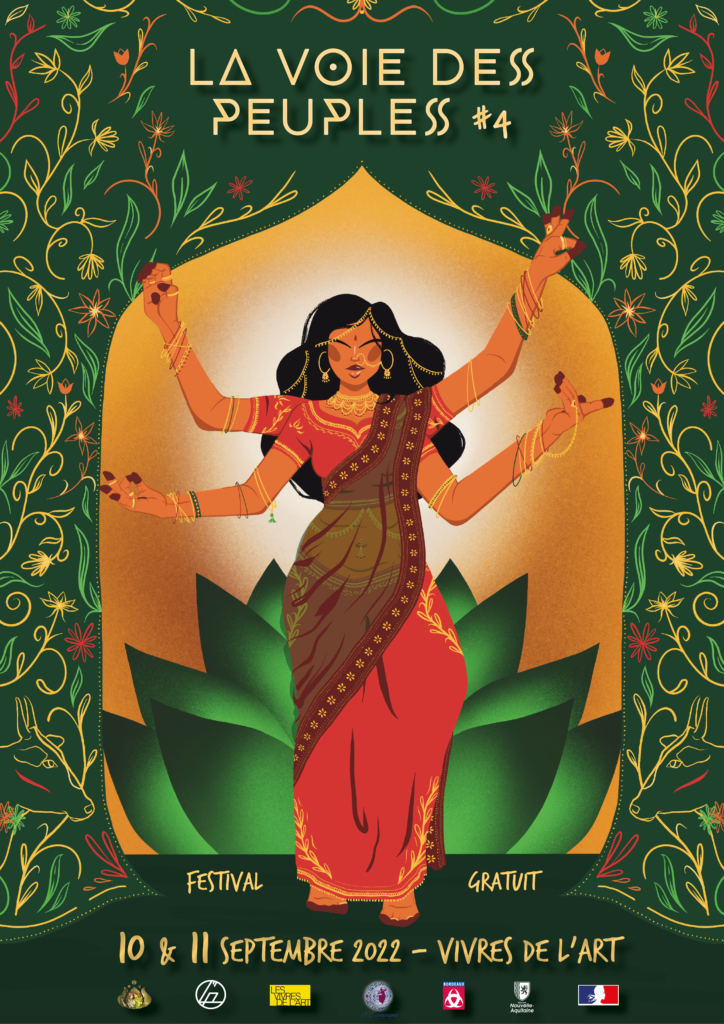
After exploring the cultures of the Roma, West Africa, the Andes, India, the Sahara, Japan, the Lusophone world, the Celts, and the Iranian world, the 2026 edition aimed to bring together all the cultures previously celebrated. For this 10th edition of the Peoples' Way festival, all the peoples and cultures encountered before were invited. Not only to celebrate them, but to foster dialogue: to explore our founding narratives, our symbols, our languages, our heritages, and our different ways of understanding the world. The event was a resounding success, with over 2,500 people attending over three days and nearly 80 artists performing on the festival's three stages.
Previous editions